
Truckers
Truckers on the Danube route
Faces of the Danube
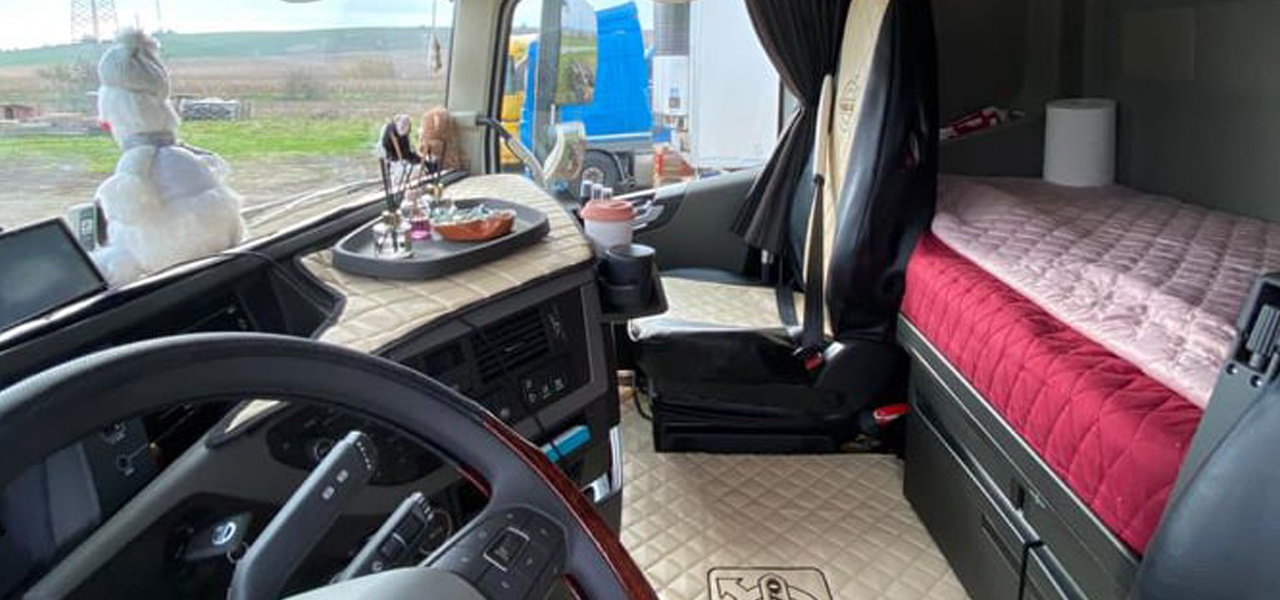
“Faces of the Danube” – Be it the young academics who are still flocking to their home countries in south-eastern Europe in the hope of a better future, be it the nursing staff from the Balkan countries who work here in our hospitals and nursing homes or are urgently needed, be it the young IT specialists from Romania, for example, who are helping to drive the digitization process in Germany and Austria: the “faces of the Danube” are diverse and say more about the social and economic reality in the Danube region than mere numbers. The European Danube Academy wants to present these faces over the next few years – with events in various formats, interviews and publications.
Let’s start with a profession that we constantly encounter in large numbers on the roads and rest stops, at the borders and bridges of the Danube region: the “Truckers on the Danube Route”, the professional drivers on their large trucks – often of Bulgarian and Romanian nationality.
Truck drivers are usually true experts in Europe. They often cross several national borders in Europe every day, know the European traffic routes, the peculiarities of the countries – they are an intercultural community that rests together every day at countless rest areas along our highways. Truck drivers are a special group of people: less than 2% of professional drivers are women, they often work around 80 hours a week, are away from home and family for long periods of time and at the same time are a less recognized occupational group. Despite their presence on the streets of Europe and their importance for supplying people and the European economy, little is often known about them.
The “Truckers on the Danube Route” project will use events and media to bring the lives of truck drivers along the Danube closer to the public, give them a voice and highlight their importance for the economy and society in the Danube region. “Truckers on the Danube Route” is being realized in close cooperation with the Institute for Empirical Cultural Studies at the University of Tübingen and is funded by the Baden-Württemberg Foundation.
Impressions
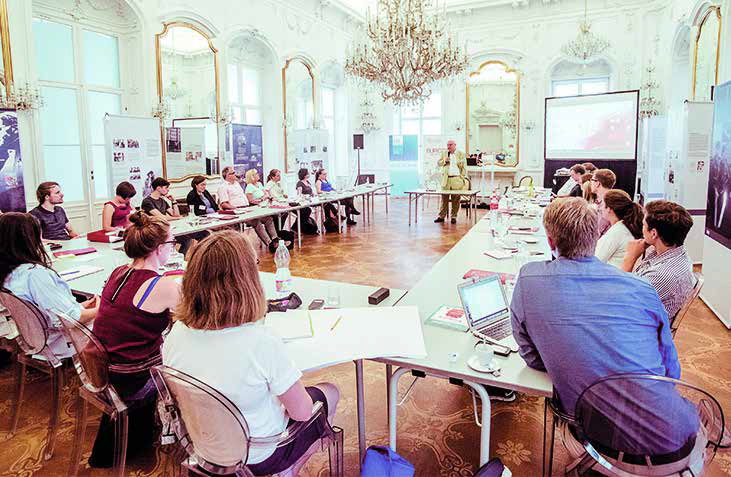
Here is the caption